
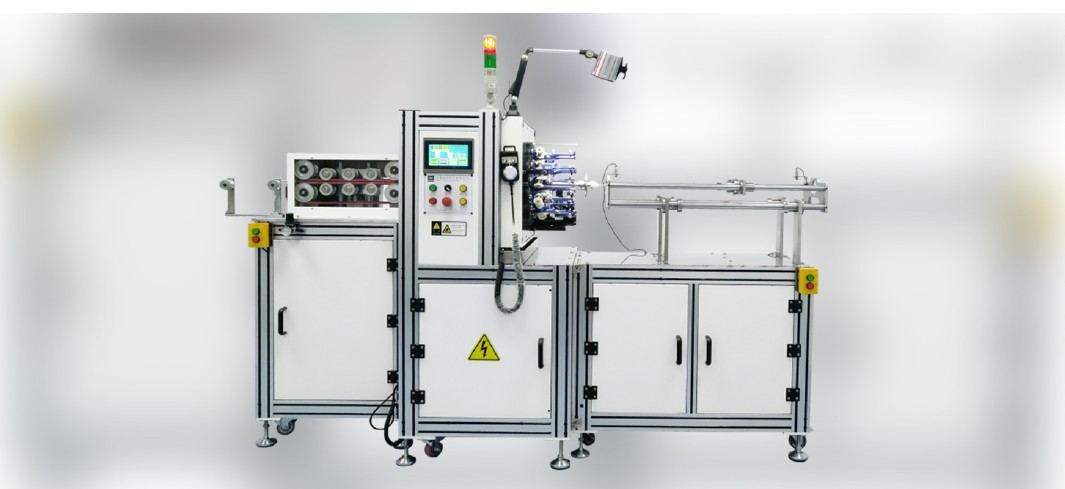
Braiding machine
Multiple spools of material — metal wire or polymer fibres — are intertwined to form the braided pattern that becomes the sheath wall.
Advanced vascular access · Saudi Arabia
SUHA Medical builds braided sheath introducers, short sheaths and guide wires — the first centimetres of an interventional procedure, engineered so the rest of the case can proceed on the operator's terms.
The company
Everything a SUHA product does happens in the seconds between the needle and the first catheter. We build for that moment — and for the operator who has to trust it without looking twice.
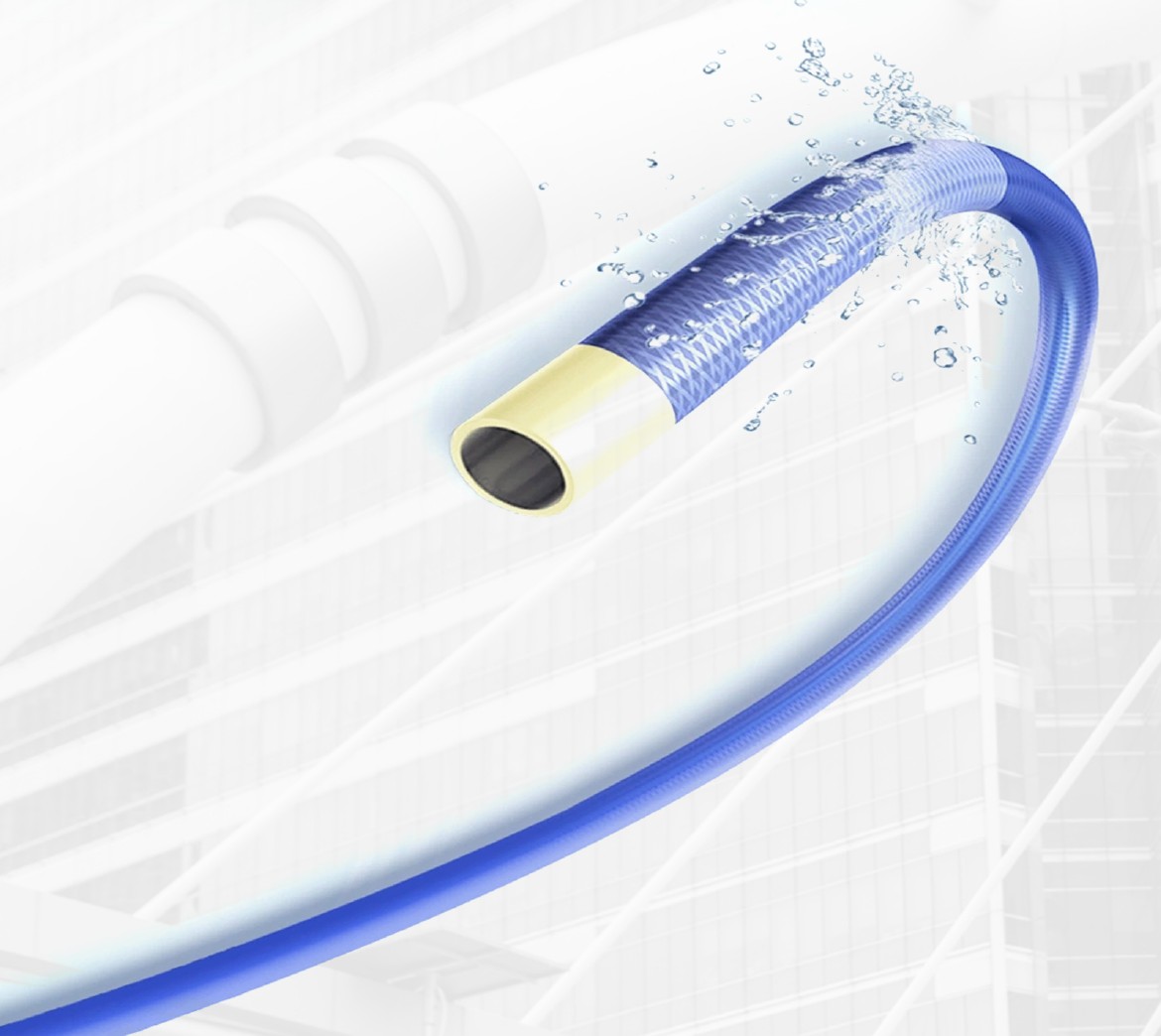
The sheath wall begins on a braiding machine, where wire or polymer fibres are intertwined into the structure that gives the device its strength and its response.
Material preparation, braiding, extrusion, cutting, heat treatment, coating and packaging — a single continuous line rather than an assembly of imported parts.
A Saudi manufacturing capability for vascular access, developed for the region's hospitals and intended to travel well beyond them.
The range
A focused set of devices for the first and most critical moments of a percutaneous procedure — sized, braided and finished to work together.
Intended to be inserted percutaneously into a blood vessel during an interventional operation, guiding angiographic catheters, guiding catheters, balloon catheters and other similar catheters into artery and vein.
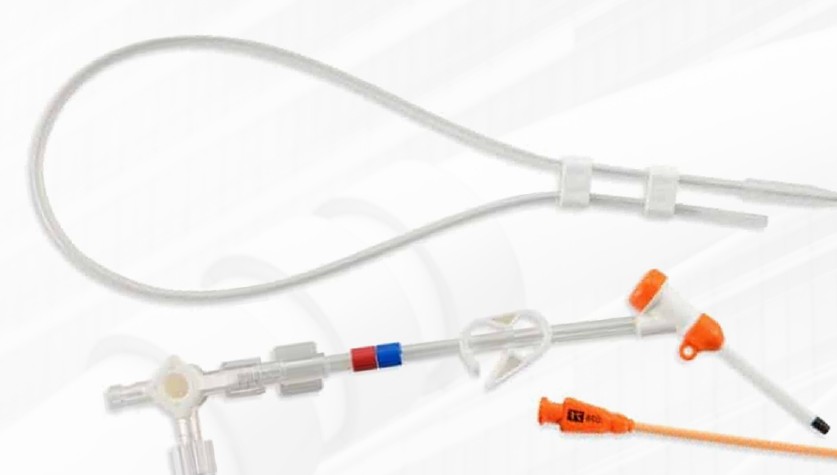
Provides access to dialysis fistulas and grafts. A single access point serves declot, angioplasty, thrombolysis and other procedures, as well as temporary haemodialysis — with transitions and material characteristics chosen for smooth entry.
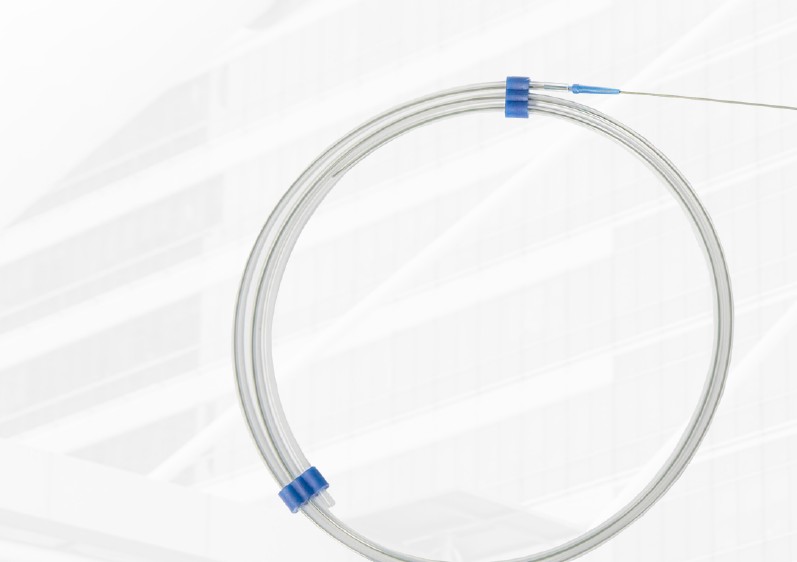
Intended to facilitate the delivery of catheter-based interventional devices during percutaneous transluminal coronary angioplasty (PTCA) and percutaneous transluminal angioplasty (PTA). May also be used with compatible stent devices during therapeutic procedures.
Clinical applications
A variety of percutaneous procedures begin with the same requirement: a predictable route into the vessel. These are the ones SUHA products are made for.
Manufacturing technology
Six pieces of equipment define what a SUHA sheath can do. Each one sets a property the clinician eventually feels in their hand.
Multiple spools of material — metal wire or polymer fibres — are intertwined to form the braided pattern that becomes the sheath wall.
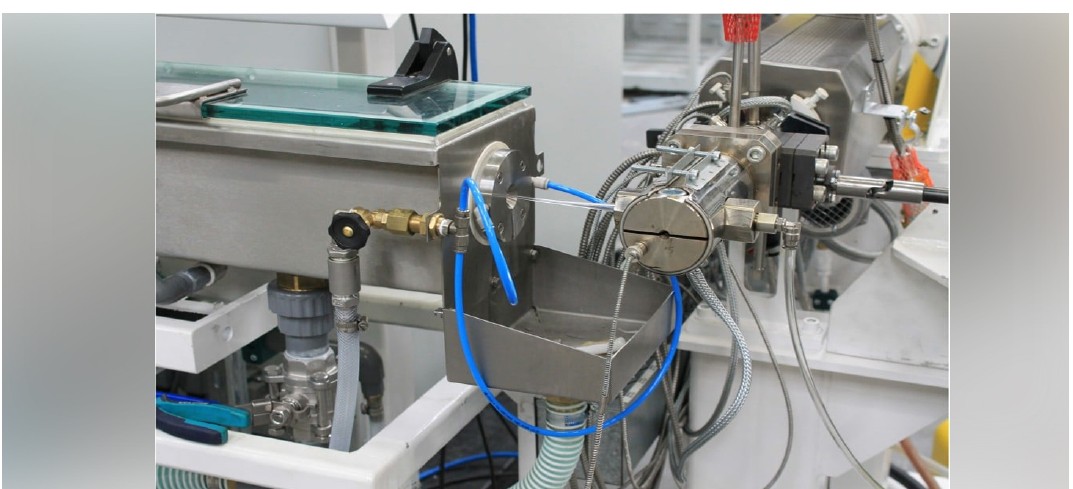
Extrudes the inner core of the sheath, providing structural support and flexibility.
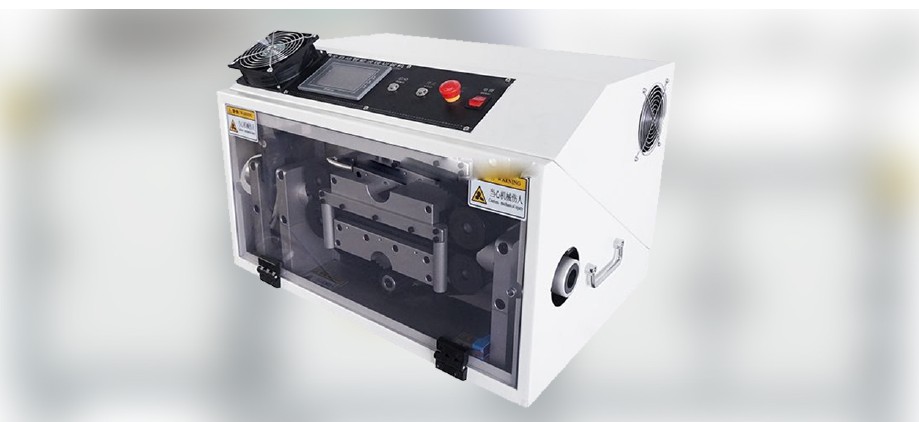
Cuts the braided sheath to the desired length, ensuring precise and uniform cuts.
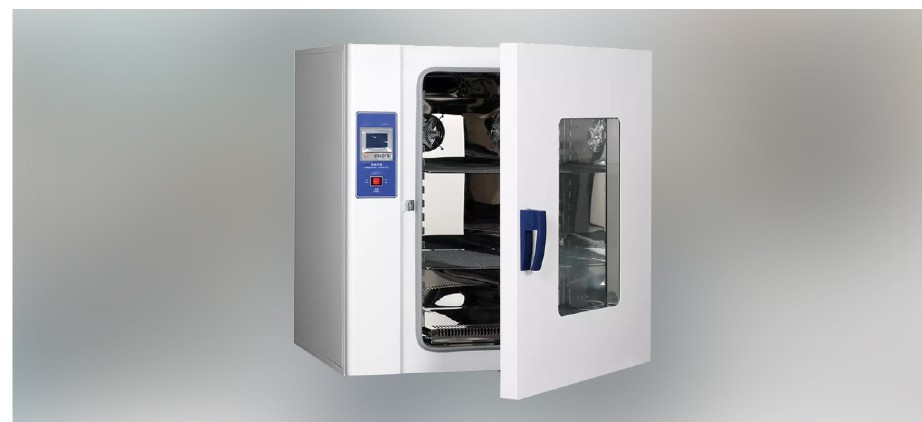
Heat-treats the braided sheath, enhancing its mechanical properties and stability.
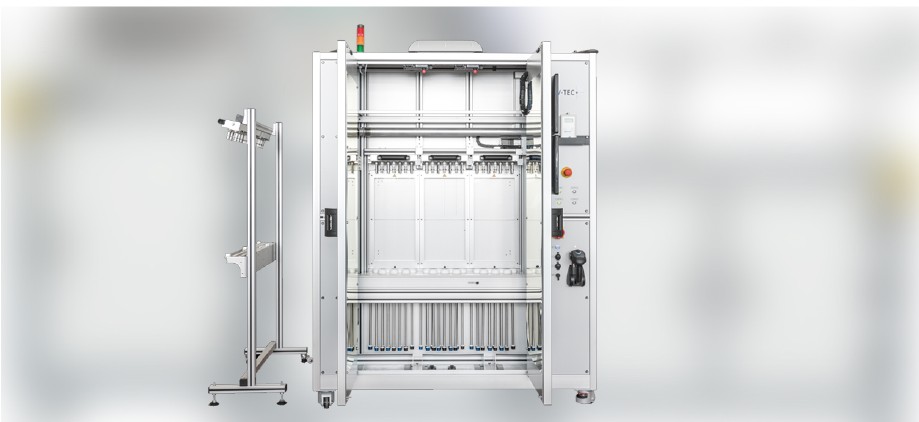
Applies a protective coating or lubricant to the braided sheath, improving durability and performance.
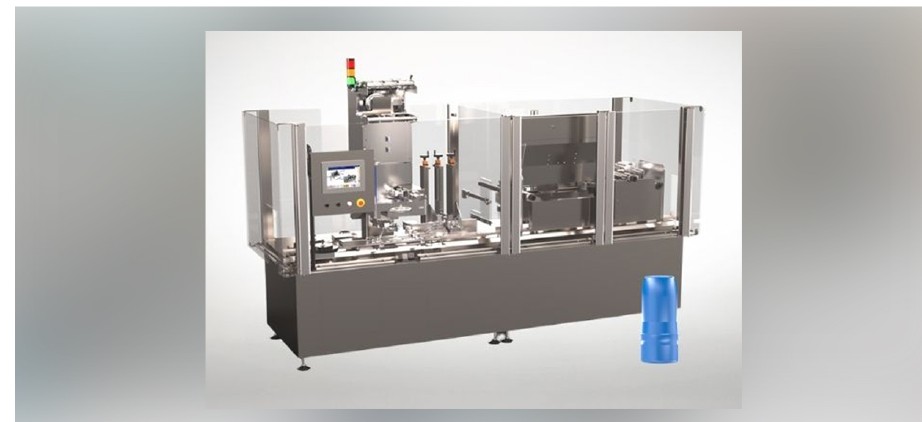
Packages the finished braided sheaths for storage and distribution.
The process
Seven stages, in order. Nothing skips ahead.
01
Raw materials — metal wire or polymer fibres — are prepared for use in the braiding machine.
02
The prepared materials are fed into the braiding machine, where they are intertwined to create the braided structure of the sheath.
03
The inner core of the sheath is extruded, providing support and flexibility.
04
The braided sheath is cut to the desired length, ensuring uniformity in the final product.
05
The cut braided sheaths are heat-treated to enhance their mechanical properties and stability.
06
A protective coating or lubricant is applied to the braided sheaths, improving durability and performance.
07
The finished braided sheaths are packaged for storage and distribution.
Scroll the stages →
The film
Braiding, extrusion and finishing, at the speed the machines actually run.
SUHA — manufacturing film
Quality & trust
Hospitals, distributors and regulators all ask the same question in different words: what can you evidence? So we publish what is true today, and add to it as the facility, the documentation and the approvals come through.
Controlled environments with filtered air, specialised flooring and stringent hygiene protocols, to prevent contamination of the sheaths during production.
A spacious, well-ventilated and properly lit production floor laid out around the workflow and the people running it.
Fire detection and suppression, emergency exits, first aid stations, surveillance, access control and perimeter security.
Construction and building design planned against local building codes, zoning regulations and safety standards, with permits obtained before work begins.
Let's move medicine forward
Tell us what your lab needs from an access device and we will tell you, plainly, what SUHA can supply today and what is still being built.