
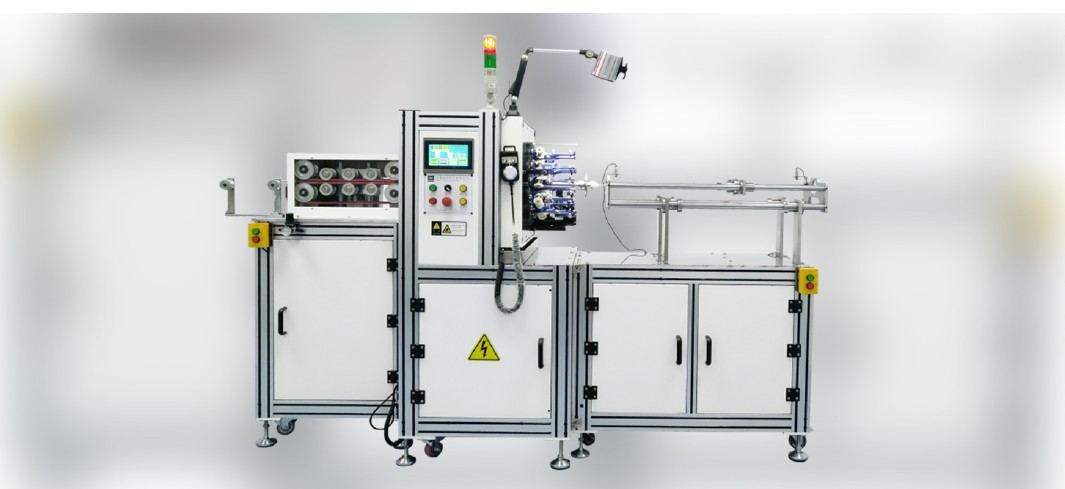
Braiding machine
Multiple spools of material — metal wire or polymer fibres — are intertwined to form the braided pattern that becomes the sheath wall.
Home/Manufacturing & Technology
Manufacturing
Six machines and seven stages. Each one sets a property the clinician eventually feels.
Equipment
This is the equipment the manufacturing programme is built around — and what each machine is responsible for.
Multiple spools of material — metal wire or polymer fibres — are intertwined to form the braided pattern that becomes the sheath wall.
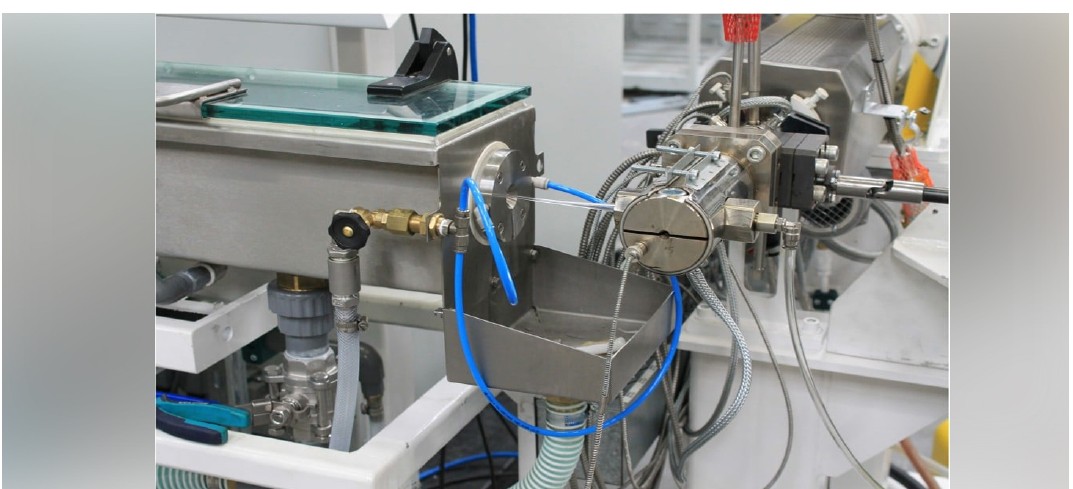
Extrudes the inner core of the sheath, providing structural support and flexibility.
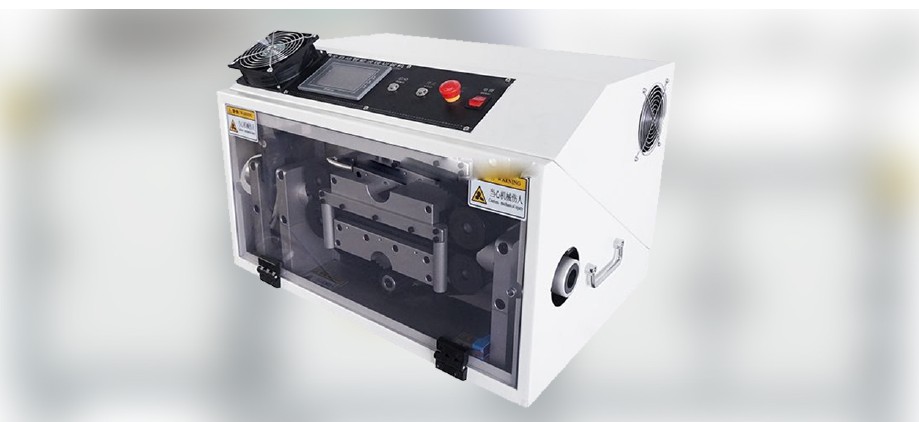
Cuts the braided sheath to the desired length, ensuring precise and uniform cuts.
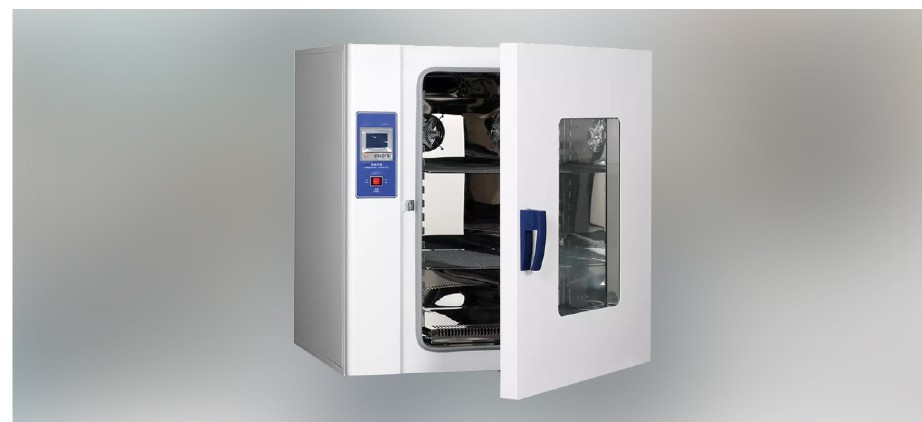
Heat-treats the braided sheath, enhancing its mechanical properties and stability.
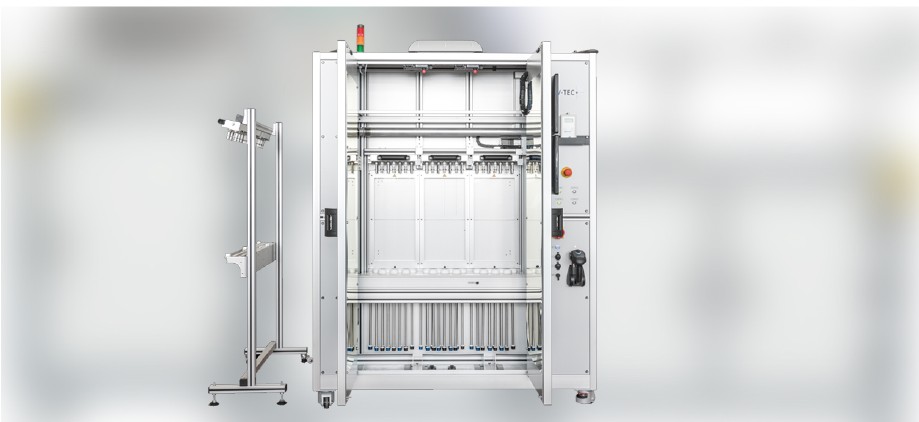
Applies a protective coating or lubricant to the braided sheath, improving durability and performance.
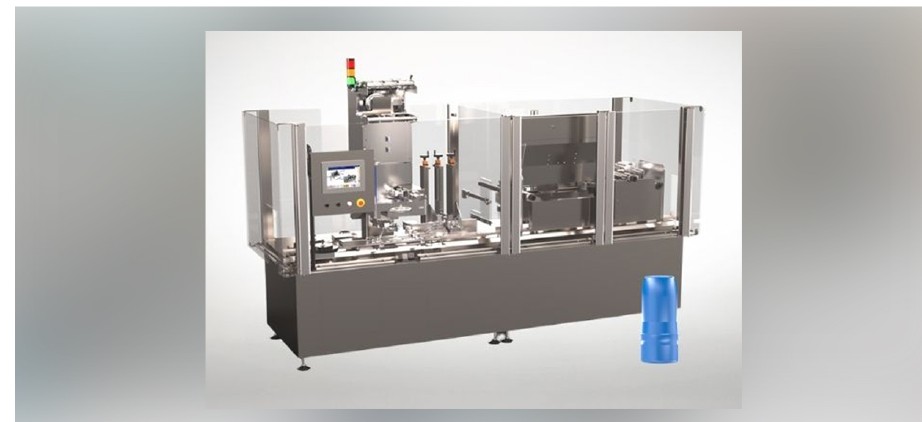
Packages the finished braided sheaths for storage and distribution.
The process
Nothing skips ahead. The sequence is the specification.
Raw materials — metal wire or polymer fibres — are prepared for use in the braiding machine.
The prepared materials are fed into the braiding machine, where they are intertwined to create the braided structure of the sheath.
The inner core of the sheath is extruded, providing support and flexibility.
The braided sheath is cut to the desired length, ensuring uniformity in the final product.
The cut braided sheaths are heat-treated to enhance their mechanical properties and stability.
A protective coating or lubricant is applied to the braided sheaths, improving durability and performance.
The finished braided sheaths are packaged for storage and distribution.
The film
Braiding, extrusion and finishing at the speed the machines actually run — not a rendered animation.
SUHA — manufacturing film
The facility
The process only holds if the site around it does. This is the facility programme the manufacturing site is being built against.
A spacious production area houses the manufacturing equipment and lets the workflow run end to end. It is specified to be well ventilated and properly lit, so the working environment is safe and comfortable for the people on the floor.
Depending on the requirements of each process step, cleanroom facilities maintain strict cleanliness standards and prevent contamination of the sheaths during production. Cleanrooms mean controlled environments: filtered air, specialised flooring and stringent hygiene protocols.
A dedicated warehouse holds raw materials, finished products and inventory. It is organised with shelving, pallet racks and other storage systems to make the best use of the space and keep materials easy to reach.
Administrative offices manage day-to-day operations, coordinate production schedules and handle inventory management, order processing and customer service.
Manufacturing depends on reliable electricity, water supply, heating, ventilation and air conditioning, and waste disposal. Infrastructure is upgraded where the process requires it.
Fire detection and suppression, emergency exits, first aid stations, surveillance cameras, access control systems and perimeter fencing protect both the team and the facility.
Construction and building design are planned to comply with local building codes, zoning regulations and safety standards, with the necessary permits and approvals obtained from regulatory authorities before construction activities begin.
The facility is designed with future growth in mind, allowing flexibility in layout and infrastructure to accommodate changes in production requirements or to scale operations up as the business grows.
Let's move medicine forward
Engineering, procurement and regulatory teams get a direct answer — including where the programme is still in progress.